Optimize Procurement Lifecycle with Supplier Relationship Management Software
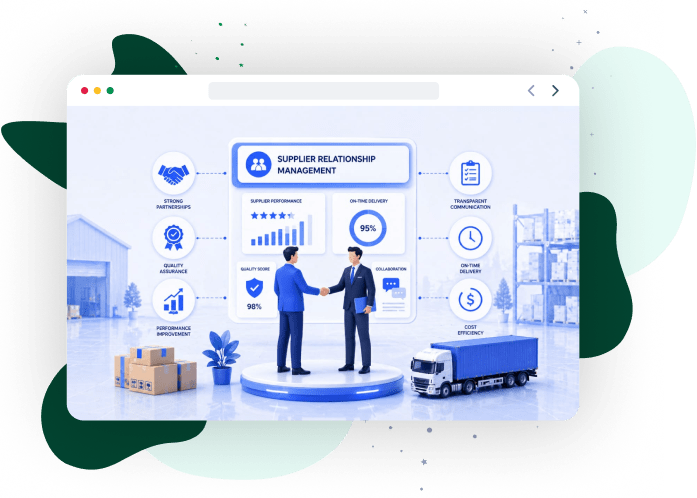
Supplier relationship management (SRM) software provides a centralized platform for governing the supplier lifecycle across procurement operations. This lifecycle includes onboarding, qualification, performance monitoring, and contract management. SRM platforms also support supplier risk monitoring, supplier segmentation, and governance of vendor master data across procurement operations.
The global supply chain management software market is projected to reach $75.79 billion by 2030, according to Maximize Market Research, reflecting rapid enterprise investment in digital procurement platforms and advanced analytics technologies. This growth indicates that organizations are increasingly adopting systems such as SRM to improve supplier oversight, automate procurement workflows, and manage complex global supplier networks.
Here is how modern SRM platforms help organizations manage supplier relationships better:
- Centralized supplier master data management and lifecycle governance, including maintaining supplier profiles, certifications, and compliance documentation.
- Automated supplier onboarding and compliance validation workflows, such as document verification, tax form collection, and regulatory certification checks.
- Continuous supplier performance monitoring using analytics and scorecards, such as delivery reliability metrics and quality performance indicators.
- Structured collaboration tools for procurement teams and suppliers, including shared communication portals, document exchanges, and issue-resolution workflows.
Modern SRM platforms integrate with broader supply chain management solutions, aligning procurement workflows, supplier data, and lifecycle management across enterprise systems.
In this guide, we will help procurement, supply chain, and IT leaders evaluate supplier relationship management (SRM) software features, integrations, compliance requirements, and pricing considerations when modernizing supplier management environments.
Enterprise-Grade Capabilities of iCommuneTech’s SRM Software
Fragmented supplier records across procurement, finance, and risk systems create visibility gaps across enterprise supply chains.
These gaps create several operational challenges:
Enterprise SRM platforms address these challenges by centralizing supplier lifecycle governance, supplier master data, and procurement workflows.
Procurement teams use SRM platforms to manage supplier onboarding, performance monitoring, contract documentation, and compliance validation through a unified operational interface.
iCommuneTech’s SRM platform establishes a centralized supplier governance architecture that integrates supplier master data, onboarding workflows, compliance documentation, and supplier performance monitoring.
The platform operates as a vendor management layer integrated with ERP systems and enterprise procurement platforms. This architecture allows procurement teams to coordinate supplier activities from a single operational environment.
Procurement Challenges Addressed by SRM Platforms
Organizations implement SRM platforms to resolve common procurement challenges:
Disconnected supplier data across procurement, finance, and risk systems
Manual onboarding workflows that delay supplier activation
Limited visibility into supplier performance and compliance status
Difficulty managing contracts, certifications, and supplier documentation
Increased supplier risk exposure across the supplier lifecycle
iCommuneTech addresses these challenges through an integrated vendor management system that aligns supplier data, procurement workflows, and compliance controls across enterprise supply chain operations.
Core capabilities of the iCommuneTech SRM platform include:
These capabilities transform fragmented supplier administration into structured supplier lifecycle governance. Procurement leaders gain consistent visibility across sourcing, onboarding, contract management, and supplier performance monitoring, improving supplier collaboration and strengthening supply chain resilience.
Driving Measurable Results Across Industries
From automating manual calculations to modernizing legacy infrastructure, we build software that directly impacts the bottom line. Our custom solutions consistently reduce operational costs and accelerate process efficiency.
View Our Case Studies
Core Features and Capabilities of Modern SRM Platforms
45% of one year’s profits can be lost over a decade due to supply chain disruptions, highlighting the financial risks organizations face from supply chain instability and the growing need for stronger supplier monitoring and risk management systems, as per a McKinsey report. These systems coordinate onboarding, supplier performance monitoring, compliance documentation, collaboration, and risk tracking through integrated workflows.
Modern SRM platforms provide centralized capabilities that support supplier lifecycle management across procurement operations. Through centralized supplier data models, workflow automation, and integrated procurement controls, these platforms enable structured supplier lifecycle governance.
77% of companies invested in supply-chain visibility systems, according to a McKinsey survey, reflecting the growing need for advanced monitoring platforms that help organizations detect risks and vulnerabilities across global supplier networks. These visibility systems help organizations identify vulnerabilities across global supplier networks.
Modern SRM platforms deliver several operational capabilities across the supplier lifecycle:
Supplier onboarding
Automated registration, qualification workflows, and compliance validation.
Supplier performance monitoring
Scorecards and KPI dashboards tracking delivery performance, quality metrics, and contract compliance.
Supplier collaboration
Shared communication channels and document exchanges between procurement teams and suppliers.
Supplier risk monitoring
Continuous tracking of supplier compliance status, certifications, and risk indicators.
Digital World Class procurement teams achieve 2.6× greater return on investment from procurement technology compared with peers, as covered by the Hackett Group. This performance highlights how advanced procurement platforms improve efficiency across supplier onboarding, performance monitoring, collaboration, and risk management processes.
Additional Core Capabilities of Enterprise SRM Platforms
SRM platforms consolidate supplier data, sourcing workflows, compliance records, and performance metrics within a unified supplier management system.
Common SRM functions include:
- Supplier onboarding and qualification management
- Supplier segmentation and lifecycle governance
- Performance monitoring and supplier scorecards
- Risk tracking and compliance documentation management
- Contract lifecycle coordination
- Communication and collaboration tools for supplier engagement
- Supplier risk scoring and disruption monitoring
These capabilities operate within an integrated procurement ecosystem where the SRM platform connects with ERP systems, contract lifecycle management platforms, and procurement software. API integrations synchronize supplier data, contracts, and procurement transactions across enterprise systems.
Supplier Onboarding and Performance Management
Supplier relationship management software automates supplier onboarding workflows and connects these processes directly with supplier performance monitoring systems.
Organizations implementing structured supplier management initiatives report a 49% improvement in supplier performance, according to Ardent Partners. This enables procurement teams to activate suppliers more quickly while maintaining compliance controls.
Within SRM environments, onboarding and performance management operate as connected governance functions.
Digital onboarding standardizes document collection, compliance verification, and vendor approval procedures. Sourcing teams capture certifications, contracts, and operational data through controlled workflows that support procurement process optimization.
Key capabilities supporting these activities include:
- Automated supplier registration and qualification workflows
- Centralized collection of compliance documents and certifications
- Vendor approval routing and governance controls
- Supplier performance scorecards and KPI tracking
- Continuous monitoring of delivery reliability, quality, and responsiveness
SRM platforms support ongoing performance evaluation through defined KPIs and supplier scorecards. Procurement leaders monitor supplier reliability, quality consistency, and contractual compliance using centralized dashboards.
Enhancing Supplier Collaboration Through Digital Tools
Procurement teams require structured digital environments that support consistent supplier engagement. Supplier relationship management software introduces collaboration tools that enable transparent communication and coordinated supplier interactions. SRM platforms create shared workspaces where procurement teams and suppliers exchange information, monitor performance, and resolve operational issues.
Key collaboration capabilities include:
- Real-time messaging and supplier communication portals
- Shared dashboards showing supplier activity and performance metrics
- Secure document exchange for contracts and certifications
- Workflow alerts for approvals, updates, and compliance actions
These tools improve supply chain visibility across supplier interactions. Procurement teams gain clearer insight into supplier activities, while vendors receive timely updates that strengthen coordination and accountability.
Data Analytics and Visibility in SRM Software
Supplier relationship management software integrates analytics that transform supplier data into operational intelligence. SRM platforms consolidate supplier information across sourcing, procurement, and contract management activities. Centralized dashboards allow procurement teams to evaluate supplier performance, monitor operational metrics, and detect emerging risks.
Key analytics capabilities include:
- Role-based dashboards displaying supplier KPIs and operational performance
- Spend analysis tools for identifying supplier concentration and procurement patterns
- Predictive alerts that flag supplier risk or compliance issues
- Self-service reporting for procurement leaders and category managers
These capabilities strengthen supply chain analytics by providing real-time insight into supplier performance and procurement operations. Procurement teams gain visibility into supplier reliability, cost drivers, and compliance exposure. Data-driven insights support faster procurement decisions, proactive risk mitigation, and stronger supplier governance across the procurement lifecycle.
Managing the Supplier Lifecycle: Onboarding to Offboarding
Breakdowns in supplier relationships appear when onboarding lacks structure, supplier engagement weakens, or exit processes introduce operational risk.
Supplier relationship management software manages the entire supplier lifecycle within a unified operational framework. Procurement teams manage supplier onboarding, engagement, performance monitoring, and offboarding through standardized workflows. This lifecycle approach improves data consistency, strengthens governance, and prevents fragmented supplier management practices.
Key stages within the supplier lifecycle include:
- Supplier qualification and onboarding with documented compliance validation
- Continuous engagement through performance monitoring and operational collaboration
- Risk management, contract monitoring, and supplier performance evaluation
- Controlled offboarding processes when supplier relationships end
SRM platforms coordinate these activities with other procurement technologies such as order management software, keeping supplier interactions synchronized across operational workflows.
Accelerating Supplier Onboarding While Maintaining Compliance
Supplier relationship management software standardizes onboarding through automated workflows that accelerate supplier activation while maintaining governance. SRM platforms guide suppliers through structured registration processes that capture required documentation, certifications, and operational information. Digital onboarding checklists ensure every compliance requirement is validated before procurement teams approve vendor participation.
Key onboarding workflow capabilities include:
- Automated supplier registration portals
- Digital document submission and verification
- Compliance validation for regulatory and contractual requirements
- Multi-level approval routing for supplier qualification
These capabilities integrate with enterprise sourcing software, enabling procurement teams to activate qualified suppliers faster within sourcing and purchasing workflows.
Supplier Offboarding Challenges and Risk Mitigation Strategies
Unstructured offboarding can create operational disruptions, unresolved contractual obligations, and loss of critical supplier data.
Supplier relationship management software introduces controlled offboarding workflows that guide organizations through structured supplier disengagement. Procurement teams coordinate contract closure, documentation handover, and operational transition through standardized processes. These workflows ensure supplier records remain complete and traceable after vendor relationships end.
Common offboarding risks include:
- Incomplete transfer of operational or technical documentation
- Unresolved contractual obligations or compliance requirements
- Disruptions in supply continuity or order fulfillment
- Loss of historical supplier performance data
SRM platforms mitigate these risks through controlled supplier offboarding workflows aligned with supply chain compliance requirements.
Implementation, Integration, and Operational Success in SRM Projects
Successful SRM projects require defined deployment strategies that align technology with procurement workflows and supplier engagement processes. Effective SRM implementation connects technology deployment with procurement transformation and process standardization while strengthening operational governance.
Organizations must plan supplier data migration, procurement workflow adoption, and supplier interaction processes before deploying the platform.
Several operational factors determine the success of SRM implementation:
- Implementation planning with phased deployment.
- Alignment among procurement leaders, IT teams, and supplier stakeholders.
- User training and change management programs that support system adoption.
- System integration with existing procurement and enterprise platforms.
- Governance frameworks that maintain supplier data accuracy and compliance.
SRM platforms form part of broader digital supply chain transformation initiatives that modernize procurement operations and supplier engagement across enterprise systems.
Organizations that treat SRM implementation as a strategic transformation effort achieve stronger adoption, improved supplier governance, and measurable operational outcomes.
Best Practices for SRM Software Implementation
Effective SRM implementation requires coordinated planning across procurement, IT, and supplier stakeholders. Organizations must approach deployment as an operational transformation that standardizes supplier management workflows.
Key implementation practices include:
1. Phased deployment
Introduce SRM capabilities gradually to reduce operational disruption.
2. Executive sponsorship
Leadership support strengthens governance and accelerates organizational adoption.
3. User training programs
Procurement teams require clear guidance on new supplier management workflows.
4. Supplier engagement preparation
Vendors must understand onboarding, collaboration, and compliance expectations.
5. Continuous operational support
Ongoing system optimization improves long-term platform value.
6. Supplier data governance
Establish controls to maintain data accuracy, compliance documentation, and supplier master data consistency.
These practices strengthen adoption and align SRM initiatives with broader supply chain automation efforts.
Organizations that combine structured rollout strategies with training and governance achieve faster implementation timelines, stronger user adoption, and consistent supplier management practices.
Integration Capabilities with ERP, CLM, and Procurement Systems
When SRM systems remain isolated from financial, contract, and procurement platforms, supplier data becomes fragmented and operational visibility declines.
Modern SRM platforms integrate with ERP, contract lifecycle management, and procurement tools to create a unified supplier management environment. These integrations ensure supplier records, contracts, and purchasing data remain consistent across enterprise systems.
Common SRM platform integration approaches include:
- API integrations that enable real-time communication between enterprise systems
- Middleware connectors that synchronize supplier data across platforms
- Data synchronization services that maintain consistent supplier records
- Workflow automation that links SRM activities with purchasing and contract processes
Integration with enterprise eProcurement systems ensures supplier onboarding, sourcing, and purchasing activities remain connected within procurement operations.
How to Choose the Right Supplier Relationship Management (SRM) Software
Procurement teams must evaluate how SRM platforms support supplier governance, integrate with enterprise systems, and scale with procurement operations.
A structured evaluation process helps organizations align SRM capabilities with procurement strategy and supplier lifecycle requirements. Decision-makers must assess operational needs, define evaluation criteria, and compare solutions through a disciplined selection framework.
Organizations must evaluate current procurement workflows, supplier data management practices, and governance structures.
Essential SRM capabilities include supplier onboarding automation, performance analytics, collaboration tools, and supplier risk monitoring.
Potential SRM solutions should be compared based on scalability, integration capabilities, usability, and vendor support.
Platform evaluation should include analyzing implementation complexity, integration effort, and total cost of ownership before finalizing the SRM platform selection.
These steps allow organizations to evaluate SRM solutions within broader supply chain management software strategies.
Key Criteria and Total Cost of Ownership Considerations
Total cost of ownership reflects the full financial and operational impact of deploying and maintaining an SRM platform. Organizations must examine implementation effort, integration complexity, and ongoing operational support before selecting a solution.
Key evaluation criteria include:
- Scalability: Ability to support growing supplier networks and procurement operations
- Compliance management: Tools for regulatory validation, audit readiness, and supplier documentation
- Integration capabilities: Compatibility with ERP, procurement, and supply chain planning software platforms
- Vendor support and implementation services: Availability of technical guidance and long-term platform support
- Total cost of ownership: Combined cost of licensing, deployment, customization, and system maintenance
- Data governance and security: Controls that protect supplier data, ensure regulatory compliance, and maintain audit trails
A structured TCO analysis ensures organizations select SRM solutions that deliver sustainable operational value rather than short-term cost advantages.
Top Supplier Relationship Management (SRM) Software Platforms
Leading SRM solutions differ in configurability, integration depth, and suitability for enterprise procurement environments. Some platforms provide standardized procurement ecosystems, while others support customizable supplier management workflows tailored to complex supply chains.
| Platform | Core Strength | Best Fit Organizations | Differentiator |
|---|---|---|---|
| iCommuneTech SRM | Customizable supplier lifecycle management platform | Enterprises requiring tailored SRM platforms | Custom development aligned with enterprise procurement workflows |
| SAP Ariba | Enterprise procurement and supplier network ecosystem | Large global enterprises | Deep integration with SAP ERP and the Ariba supplier network |
| Coupa | Spend management and supplier collaboration | Mid-to-large organizations | Strong spend visibility and supplier collaboration tools |
| Oracle Procurement Cloud | Integrated procurement and supplier lifecycle management | Oracle ERP users | Native integration with Oracle enterprise applications |
| Ivalua | Flexible supplier lifecycle management platform | Complex supplier ecosystems | High configurability for procurement processes |
| GEP SMART | AI-driven procurement and supplier analytics | Data-driven procurement teams | Advanced analytics and AI procurement insights |
| Proactis | Procurement and supplier management automation | Mid-market organizations | Simplified procurement workflows |
| Microsoft Dynamics 365 | ERP-integrated procurement and vendor management | Microsoft ecosystem enterprises | Seamless integration with the Microsoft enterprise stack |
Each platform offers different levels of configurability, integration capability, and procurement analytics. Organizations must evaluate these solutions alongside broader vendor management tools to ensure alignment with procurement strategy, supplier governance requirements, and long-term operational scalability.
Key Benefits of Implementing SRM Software Solutions
Supplier management problems often emerge later during supplier onboarding, performance monitoring, or compliance management. Vendor records become scattered across systems, compliance documents go missing, and performance data arrives too late to guide decisions. Procurement teams then struggle to maintain consistent oversight.
Modern SRM platforms change this dynamic. A Coupa report published on PR Newswire suggests that digital procurement platforms have generated over $300 billion in lifetime customer savings through optimized sourcing and supplier management automation. Instead of coordinating suppliers through fragmented tools, organizations manage vendor relationships within a centralized environment. Supplier data, communication, and performance insights remain accessible in one place, improving transparency across procurement operations.
Organizations that implement SRM platforms often experience several operational improvements:
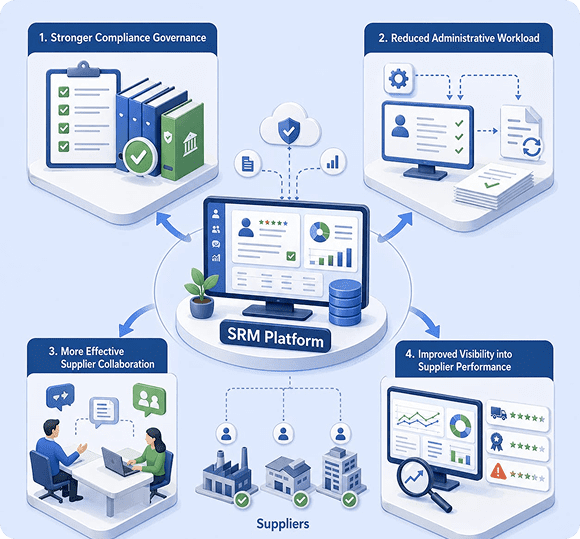
Centralized documentation workflows help maintain supplier certifications, regulatory records, and audit readiness.
Automation manages onboarding, supplier qualification updates, and routine documentation tasks.
Shared communication channels allow procurement teams and vendors to resolve operational issues faster.
Dashboards reveal delivery reliability, quality trends, and emerging supplier risks.
Over time, procurement teams rely less on fragmented reports and more on structured supplier intelligence. Procurement decision-making becomes more data-driven and consistent. Supplier relationships also become more predictable. The result is stronger coordination across procurement activities and improved supply chain stability.
Why Organizations Choose iCommuneTech for SRM Software
Selecting a technology partner for supplier relationship management initiatives requires evaluating more than software functionality. Without experienced implementation guidance, even capable SRM platforms often struggle to deliver measurable results.
iCommuneTech provides specialized expertise in supply chain and procurement technology solutions for enterprise organizations. The company combines software development expertise with practical knowledge of supplier lifecycle management, procurement automation, and vendor management system architecture for enterprise procurement environments.
Organizations choose iCommuneTech for several reasons, including:
- iCommuneTech brings extensive experience designing technology solutions for procurement operations and supplier lifecycle management across complex supply chain environments.
- The company integrates SRM platforms with ERP, procurement, and enterprise systems to ensure supplier data and workflows remain consistent across operations.
- Solutions are developed to support regulatory compliance, supplier risk monitoring, and audit-ready supplier documentation.
- Implementation teams guide organizations through deployment, user adoption, and ongoing system optimization to ensure long-term operational value.
- The platform is designed to scale across global supplier networks and multi-enterprise procurement environments.
These capabilities enable organizations to modernize supplier management while maintaining governance and operational reliability. They also strengthen supplier relationships across supply chain networks.
Risk, Compliance, and Sustainability in Supplier Management
Supplier ecosystems operate under increasing scrutiny from regulators, customers, and investors. Procurement teams must monitor supplier reliability, maintain regulatory documentation, and track sustainability commitments across complex vendor networks. Supplier Relationship Management (SRM) platforms provide the governance capabilities needed to manage these responsibilities within a centralized supplier management environment.
| Governance Area | SRM Capability | Operational Value | Example Outcome |
|---|---|---|---|
| Supplier Risk Management | Performance monitoring, supplier risk scoring, and disruption alerts | Enables early detection of supplier instability and operational risk | Faster response to supply disruptions or declining supplier performance |
| Regulatory Compliance | Certification tracking, compliance validation workflows, and audit documentation | Maintains consistent regulatory oversight and audit readiness | Reduced compliance exposure and improved supplier accountability |
| Sustainability and ESG Oversight | Monitoring of environmental disclosures, ethical sourcing data, and supplier governance practices | Improves visibility into supplier sustainability commitments | Supports responsible sourcing and long-term supply chain resilience |
By consolidating supplier governance activities within SRM platforms, organizations gain stronger oversight of supplier ecosystems. This centralized approach strengthens supply chain security, improves supplier accountability, and supports more resilient procurement operations.
Supply Chain Risk, Compliance, and Supplier Audit Management
Supplier ecosystems expose organizations to operational disruption, regulatory violations, and vendor fraud when supplier monitoring remains inconsistent. Procurement teams rely on centralized systems that track supplier performance, maintain compliance documentation, and support audit readiness across supplier networks.
| Capability | SRM Functionality | Operational Value | Example Outcome |
|---|---|---|---|
| Risk Assessment and Scoring | Supplier risk scoring models evaluate supplier financial stability, operational reliability, and compliance status | Enables early identification of high-risk suppliers | Procurement teams mitigate supplier disruptions before they affect procurement operations |
| Audit Readiness and Documentation | Centralized storage of supplier certifications, regulatory documents, and compliance records within the SRM platform | Simplifies internal and external audit preparation | Faster regulatory audits with complete supplier documentation |
| Real-Time Risk Monitoring | Automated alerts identify performance decline, compliance violations, or operational anomalies | Improves proactive supplier risk response | Procurement teams intervene before supplier issues escalate |
| Traceability and Supplier Transparency | Digital tracking of supplier activities and sourcing data | Strengthens accountability across supplier networks | Improved oversight through technologies such as blockchain in the supply chain |
These capabilities allow procurement teams to detect supplier risks earlier and maintain regulatory compliance. They also help organizations manage supplier audits with greater operational control.
Managing Climate Change, Legislation, and Sustainable Supply Chains
SRM platforms help organizations monitor supplier practices, maintain compliance, and strengthen responsible sourcing across complex global supply networks.

Managing Climate Change
Climate disruptions increasingly affect supplier reliability, logistics stability, and production continuity across global supply chains. SRM systems track supplier environmental metrics, emissions disclosures, and climate exposure risks. Procurement teams gain earlier visibility into suppliers operating in sensitive environments, such as cold chain logistics, which enables proactive mitigation planning and more resilient sourcing strategies.
Meeting Legislative Mandates
Governments continue introducing regulations that require supply chain transparency, sustainability reporting, and responsible sourcing verification. SRM platforms support supplier evaluation against environmental, social, and governance (ESG) compliance standards. Centralized compliance monitoring improves audit readiness while ensuring suppliers comply with evolving environmental and trade regulations.
Sustainable Supply Chains
Sustainable procurement requires clear visibility into supplier practices, resource usage, and ethical sourcing commitments. SRM platforms support supplier evaluation against environmental, social, and governance (ESG) standards. Procurement teams can prioritize responsible suppliers, monitor sustainability performance, and strengthen long-term supply chain resilience.
SRM Software Pricing
SRM software pricing depends on deployment scope, system integration complexity, and implementation requirements.
| Cost Driver | What It Includes | Impact on Pricing | Example Consideration |
|---|---|---|---|
| Functional Scope | SRM modules such as supplier onboarding, performance management, risk monitoring, and collaboration | More modules increase configuration and implementation effort | Deploying supplier lifecycle management capabilities |
| System Integration | Integration with ERP, procurement platforms, contract lifecycle systems, and supplier portals | Complex integrations require API development and middleware configuration | Synchronizing supplier data across procurement and finance systems |
| Data Migration | Transfer of supplier records, compliance documentation, contract archives, and historical procurement data | Larger datasets extend migration timelines and validation effort | Consolidating supplier information from legacy procurement tools |
| Security and Scalability | Access control frameworks, regulatory compliance requirements, and scalable infrastructure | Enterprise-grade security and global supplier access increase implementation complexity | Supporting secure collaboration across global supplier networks |
iCommuneTech provides consultative SRM solution design, helping organizations define architecture, integration scope, and deployment requirements before determining implementation costs.
Organizations evaluating SRM platforms can get a personalized SRM development and implementation estimate aligned with their supplier ecosystem and procurement workflows.