



Who We Serve
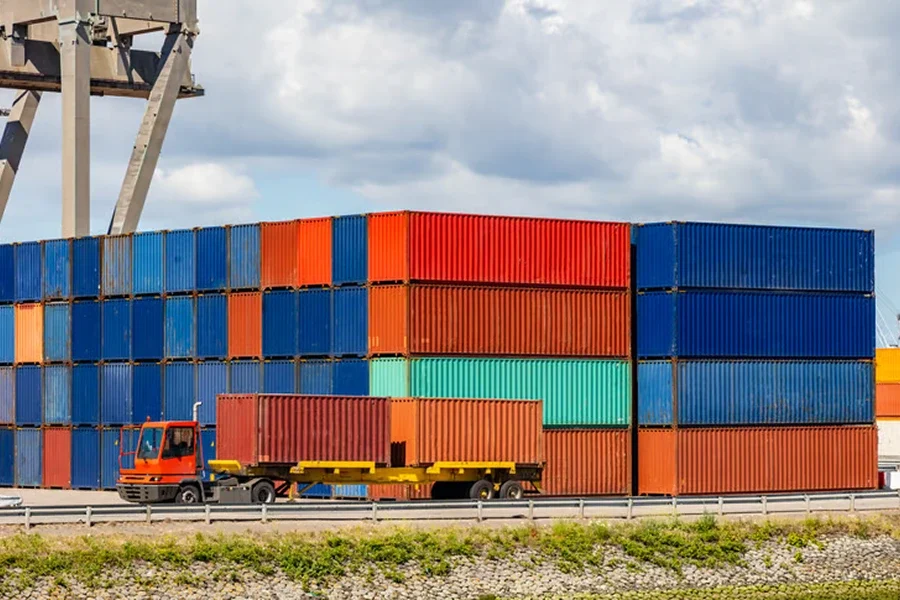
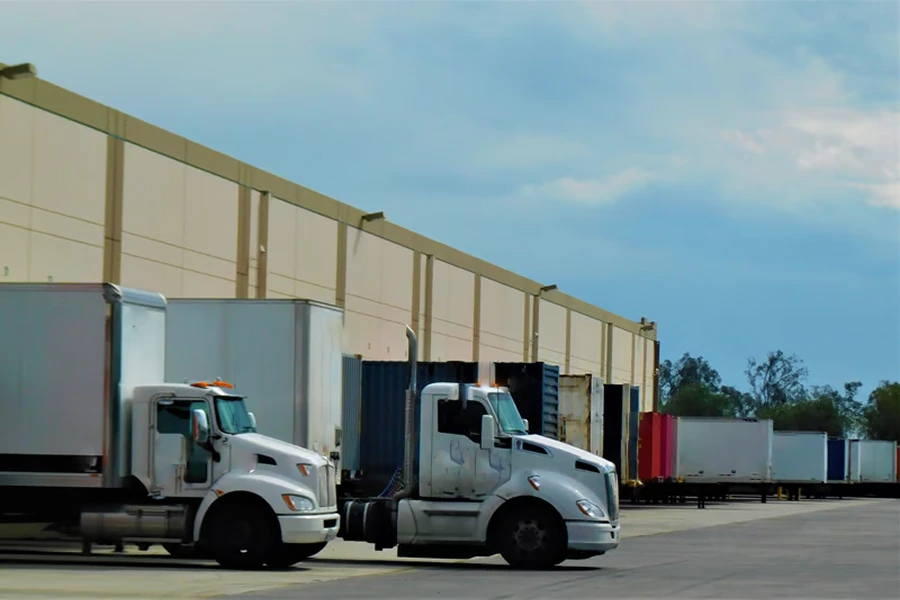
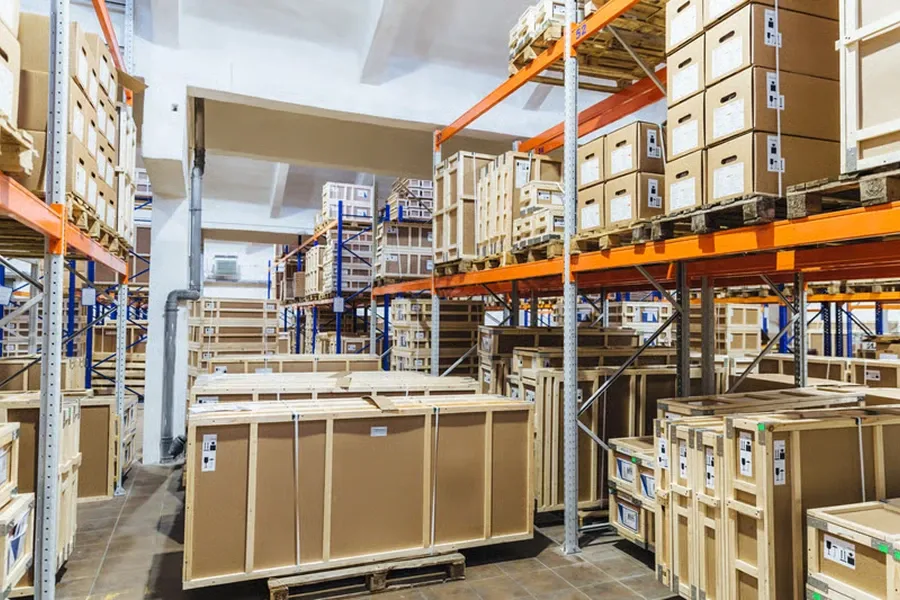


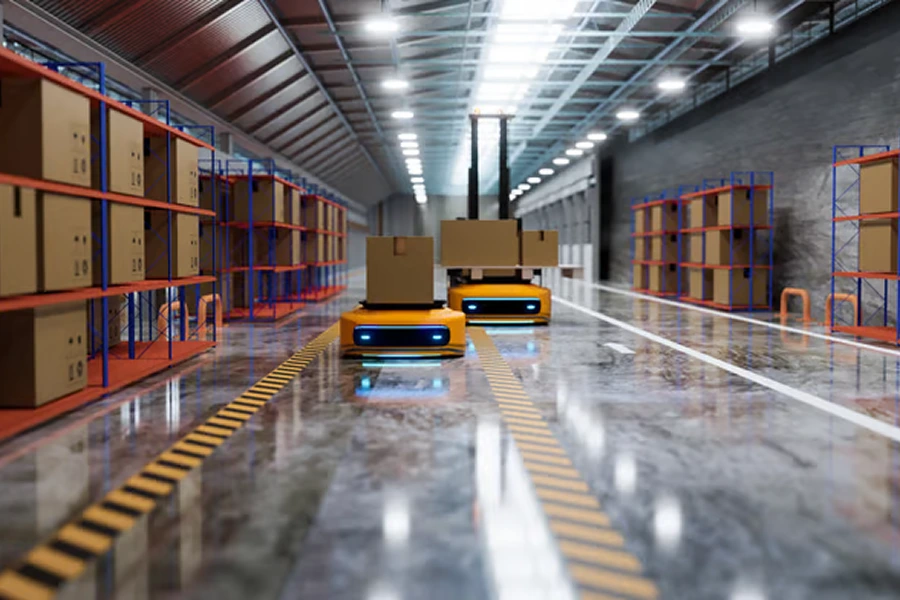
Logistics software development enables transportation and logistics companies to manage freight operations, fleet management, warehousing, shipment tracking, supply chain visibility, and business workflows through connected digital platforms. iCommuneTech delivers custom logistics software development, transportation software development, and enterprise IT services that modernize legacy applications, integrate business systems, and build scalable software for complex logistics operations.
Build or modernize your logistics software with iCommuneTech’s experts.
Key Facts About iCommuneTech

12+ Years
Delivering custom software development and scalable IT solutions.
Transportation & Logistics
Deep domain expertise in TMS, fleet management, and logistics tech.
Global Delivery
Serving enterprise clients across the USA, Canada, UK, France & Australia.
End-to-End Engineering
From strategic consulting to full-stack development, integration & support.
Transportation & Logistics Challenges We Solve
As transportation and logistics operations grow, disconnected systems, manual workflows, and evolving business requirements make it harder to maintain efficiency and visibility. iCommuneTech helps businesses eliminate operational bottlenecks through custom logistics software development, enterprise integration, and modernization services.
Operational Efficiency
Legacy Systems are Holding Back Growth
Still relying on aging transportation or warehouse systems that struggle to support new business requirements? Legacy applications make integrations difficult, slow operational changes, and increase maintenance costs. As technology evolves, these limitations reduce agility and make digital transformation more complex.
Manual Processes Slow Every Shipment
Are your teams still depending on spreadsheets, emails, or manual data entry to keep operations moving? Repetitive tasks delay order processing, introduce costly errors, and consume valuable time that could be spent improving customer service or operational performance.
Transportation Costs Continue to Rise
Fuel, labor, and fleet expenses keep increasing, while inefficient routing and underutilized assets reduce profitability. Without accurate operational insights, controlling transportation costs becomes increasingly difficult as shipment volumes grow.
Last-Mile Delivery Becomes Harder to Scale
Customers expect accurate delivery updates and on-time service, yet coordinating drivers, dispatchers, and delivery information often depends on disconnected tools. Even small communication gaps can lead to missed deliveries, service delays, and dissatisfied customers.
Visibility & Decision-Making
Disconnected Systems Create Data Silos
Transportation, warehouse, ERP, and customer systems often operate independently, making it difficult to establish a single source of truth. When operational data is scattered across multiple platforms, planning, reporting, and decision-making become slower and less reliable.
Limited Visibility Delays Critical Decisions
Can your team identify shipment disruptions before customers do? Without real-time visibility into transportation, inventory, and operational events, issues often remain unnoticed until they affect delivery performance, customer satisfaction, or service-level commitments.
Reporting Takes Too Much Effort
When information must be gathered from multiple systems, generating operational reports becomes time-consuming and inconsistent. Teams spend more time reconciling data than analyzing trends that improve logistics performance.
Compliance & Scalability
Compliance Keeps Becoming More Complex
Transportation and logistics organizations must satisfy evolving regulatory, customer, and audit requirements while maintaining accurate operational records. Manual compliance processes increase administrative effort and make audits more difficult to manage.
Enterprise Systems Don’t Work Together
Adding new customers, carriers, warehouses, or software platforms often exposes integration challenges. Without reliable connectivity between ERP, WMS, TMS, CRM, IoT devices, and partner systems, information becomes fragmented and business processes slow down.
Technology Struggles to Support Business Growth
As operations expand, software that once met business needs can become difficult to scale. Supporting new locations, customers, services, or transaction volumes requires technology that adapts without disrupting day-to-day logistics operations.
Logistics Software Solutions We Build
Every transportation and logistics business has unique operational workflows, technology ecosystems, and growth priorities. Our logistics software development services deliver purpose-built platforms that streamline operations, strengthen collaboration, and support long-term scalability.
Operations Management
Build a centralized transportation platform that gives planners, dispatchers, and operations teams complete control over freight movement.
- Coordinate load planning, carrier selection, dispatch, shipment execution, and freight billing from a single operational workspace.
- Enable dispatch teams to respond faster with real-time shipment tracking, automated status updates, and configurable transportation workflows.
- Connect ERP, WMS, GPS, telematics, and carrier systems to eliminate duplicate data entry and improve operational accuracy.
- Adapt transportation processes, business rules, and approval flows to match your organization’s operating model.
Improve fleet performance with connected vehicle, driver, and maintenance management capabilities.
- Monitor vehicle location, driver activity, fuel usage, and asset health through a unified fleet management dashboard.
- Optimize routes using traffic conditions, delivery priorities, vehicle capacity, and operational constraints to improve resource utilization.
- Detect maintenance issues early with predictive insights that reduce unplanned breakdowns and extend asset life.
- Measure fleet performance using operational KPIs that support better planning, compliance, and cost control.
Increase warehouse efficiency by connecting inventory, fulfillment, and warehouse activities within one system.
- Maintain accurate inventory across multiple warehouses with synchronized stock movements and real-time availability.
- Simplify receiving, picking, packing, replenishment, and shipping through configurable warehouse workflows.
- Integrate barcode scanners, RFID devices, warehouse automation, and transportation systems to improve fulfillment accuracy.
- Give warehouse managers live visibility into inventory levels, order progress, and operational performance.
Coordinate procurement, inventory, transportation, suppliers, and distribution through a connected supply chain platform.
- Gain end-to-end visibility into inventory, supplier performance, transportation activities, and fulfillment operations.
- Improve planning with demand forecasting, inventory optimization, and procurement workflows tailored to your supply chain.
- Support multi-site, multi-carrier, and cross-border logistics operations from a centralized management environment.
- Turn operational data into actionable insights with dashboards that logic-ic-highlight exceptions, trends, and performance metrics.
Customer & Partner Solutions
Logistics Marketplaces
Create digital ecosystems where shippers, carriers, brokers, and logistics partners can collaborate efficiently.
- Match loads with qualified carriers through configurable freight marketplaces that support bidding, pricing, and carrier selection.
- Simplify partner onboarding, document exchange, and communication throughout the shipment lifecycle.
- Support secure transactions, payment processing, and operational transparency across every marketplace participant.
- Scale platform performance as transaction volumes, users, and partner networks continue to grow.
Customer & Partner Portals
Deliver self-service experiences that improve communication and reduce administrative workload.
- Allow customers to request shipments, track deliveries, access documents, and monitor order status from a single portal.
- Provide partners with secure access to shipment information, operational updates, invoices, and business documents.
- Keep customers informed with automated notifications, delivery milestones, and exception alerts throughout the logistics journey.
- Strengthen customer relationships by reducing response times and improving service transparency.
Enterprise Integration
Keep logistics operations synchronized across enterprise applications and partner systems.
- Connect ERP, CRM, WMS, TMS, finance, and third-party platforms without disrupting existing business processes.
- Synchronize orders, inventory, invoices, customer information, and shipment data across connected systems.
- Replace disconnected workflows with reliable API-based integrations that improve operational consistency.
- Build a scalable integration foundation that supports future business applications and digital initiatives.
Deliver real-time shipment visibility that keeps customers, dispatchers, and operations teams informed at every stage of the delivery lifecycle.
- Track shipments across multiple carriers and transportation modes with live status updates, location tracking, and delivery milestones.
- Detect delays, route deviations, and operational exceptions early so teams can respond before service levels are affected.
- Provide customers and partners with self-service access to shipment progress, estimated arrival times, and proof-of-delivery records.
- Consolidate tracking events from GPS, telematics, carrier APIs, and logistics platforms into a single operational view.
Intelligence & Automation
Turn operational data into timely decisions that improve efficiency across transportation and logistics operations.
- Anticipate shipment delays, demand fluctuations, and operational risks before they affect service performance.
- Identify trends in transportation costs, fleet utilization, and warehouse productivity using advanced analytics.
- Support planners with predictive recommendations that improve routing, resource allocation, and inventory planning.
- Transform large volumes of operational data into actionable insights for continuous business improvement.
Remove repetitive manual work that slows logistics operations and increases the risk of errors.
- Automate shipment processing, approvals, invoicing, document validation, and inventory updates across business workflows.
- Standardize operational processes with configurable business rules that improve consistency across teams.
- Reduce processing delays by connecting workflows that previously depended on emails, spreadsheets, or manual approvals.
- Free operations teams to focus on higher-value activities instead of repetitive administrative tasks.
Create a connected technology ecosystem that supports long-term business growth through logistics and transportation software development.
- Bring together transportation, warehouse, fleet, customer, and supplier data into a reliable operational foundation.
- Enable secure information exchange between cloud platforms, on-premises systems, IoT devices, and business applications.
- Deliver real-time operational visibility that supports faster planning, reporting, and executive decision-making.
- Build technology platforms that evolve with changing business models, customer expectations, and transaction volumes.
Business Intelligence & Reporting
Transform operational data into meaningful insights that support faster decisions and continuous performance improvement.
- Build interactive dashboards that monitor transportation costs, fleet utilization, warehouse productivity, and service performance in real time.
- Analyze operational trends, KPIs, and exceptions to identify improvement opportunities and support strategic planning.
- Generate configurable reports that combine data from ERP, WMS, TMS, and other business systems without manual consolidation.
- Enable executives and operations teams to make informed decisions with reliable, data-driven insights across the logistics network.
Case Studies: Transportation & Logistics Software Apps We’ve Delivered

Logistics & Driver Staffing SaaS Development
Reduced recruiter effort by 30–40% through automated hiring, compliance workflows, and driver communication.
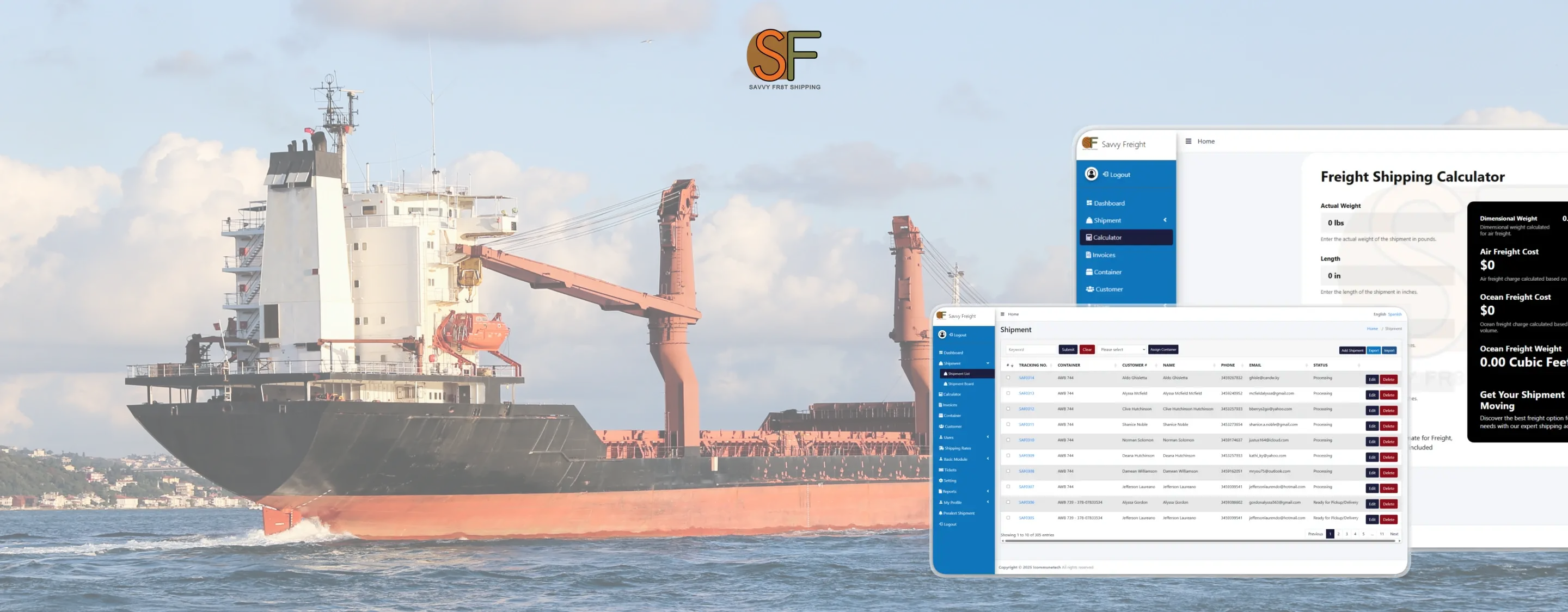
Shipment Processing Automation Platform
Accelerated shipment processing by 60% using automated rate calculations, DIM weight validation, and workflow automation.
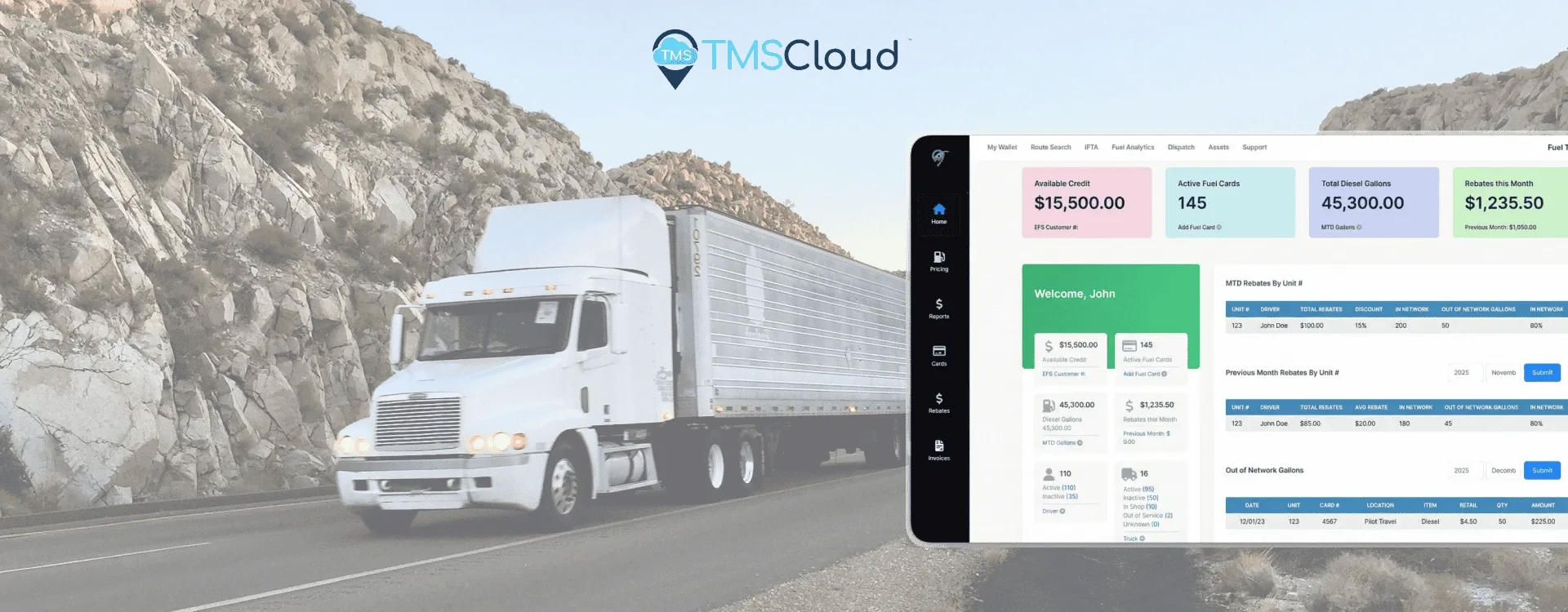
Modernization of a 20-Year-Old TMS Platform
Migrated legacy PHP architecture to Laravel, doubling operational efficiency and creating a scalable SaaS platform.

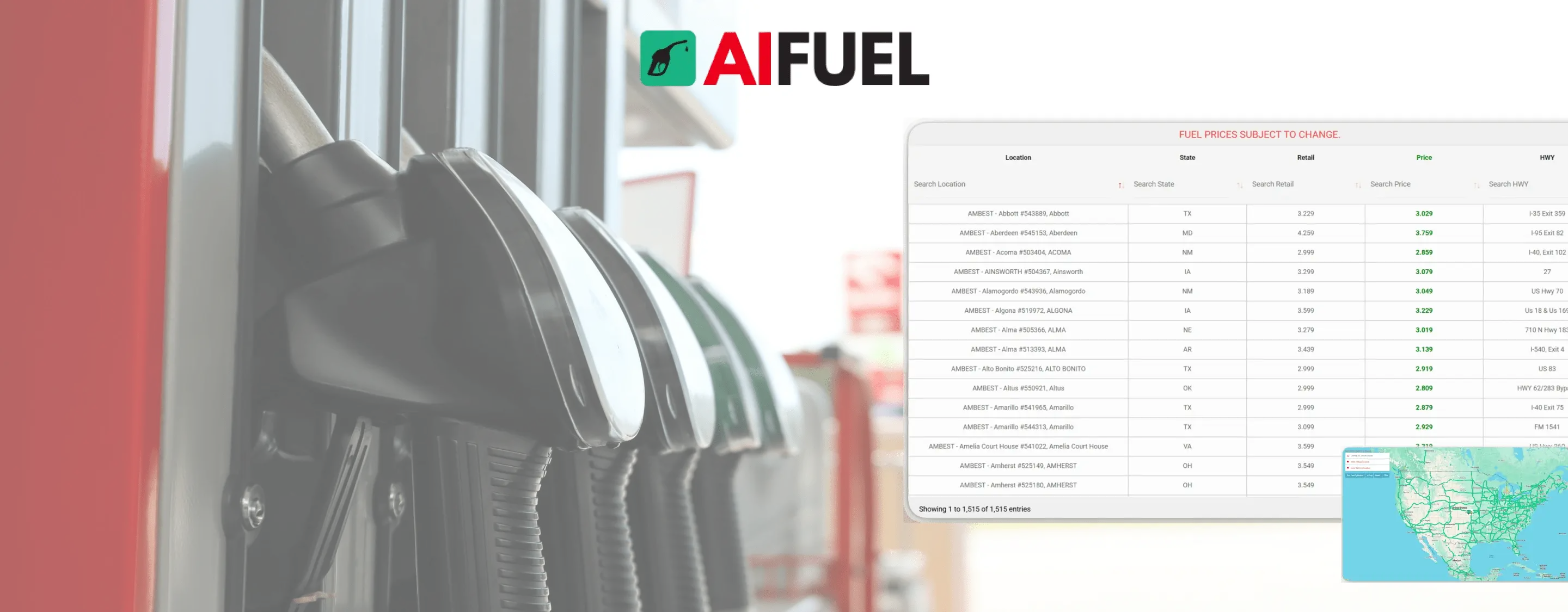
Route-Based Fuel Optimization Platform
Reduced route planning time by 50% while improving trip efficiency with AI-powered fuel optimization.
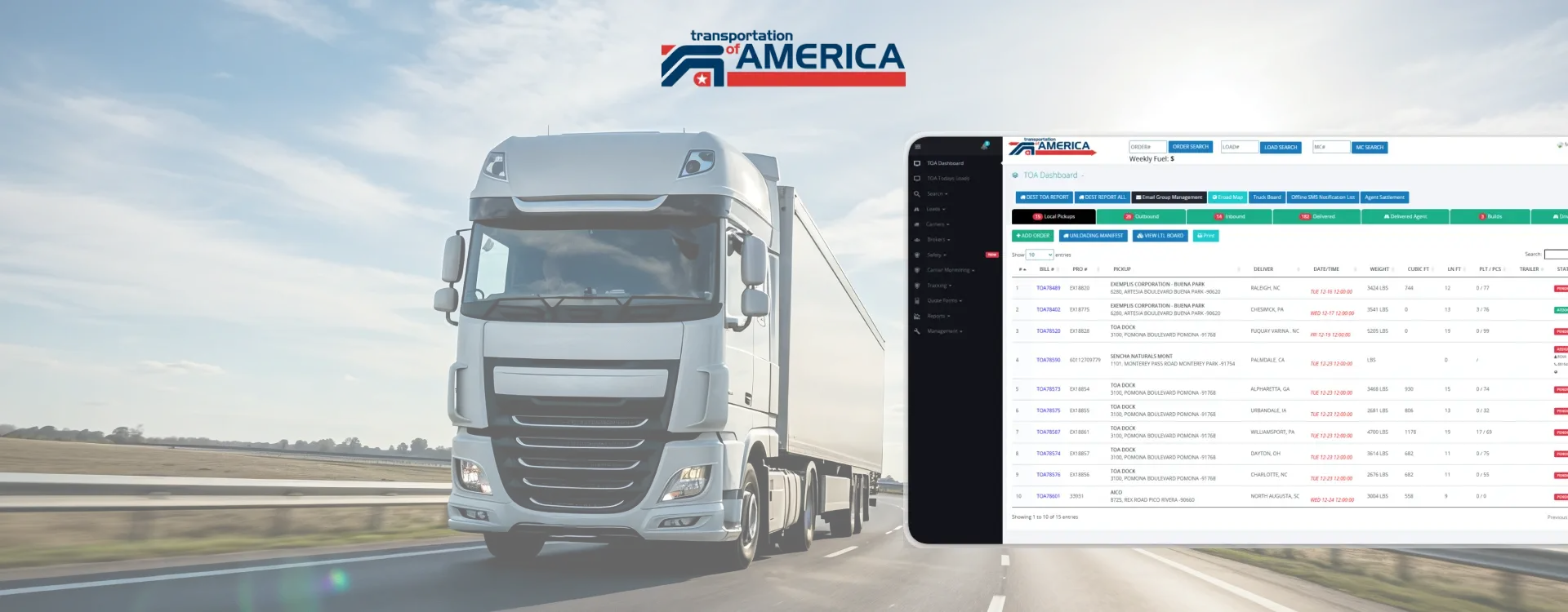
Real-Time Dispatch Automation Platform
Reduced dispatch time to under one minute through workflow automation and live vehicle tracking.
IT Services for Transportation & Logistics
Modern transportation and logistics businesses need more than software, they need technology partners who can modernize legacy systems, connect enterprise platforms, strengthen cloud infrastructure, and keep business-critical applications running. iCommuneTech provides end-to-end IT services that support every stage of your technology lifecycle, from strategy and implementation to optimization and ongoing support.
IT Consulting & Digital Transformation
Successful technology initiatives begin with a clear roadmap, not just new software. iCommuneTech helps transportation and logistics businesses evaluate existing systems, identify modernization opportunities, and define practical technology strategies that reduce implementation risk while supporting long-term business objectives.
- A technology roadmap aligned with your logistics operations, growth plans, and investment priorities.
- Independent assessment of existing applications, integrations, and infrastructure to identify modernization opportunities.
- Enterprise architecture planning that supports scalable transportation and supply chain platforms.
- Digital transformation strategies that minimize operational disruption while accelerating technology adoption.
- Practical implementation plans with defined priorities, timelines, and measurable business outcomes.
Custom Software Development
Commercial software cannot always support unique transportation workflows, customer-specific processes, or specialized integrations. Our transportation software development services focus on building applications that align with your business instead of forcing your business to adapt to the software.
- Custom web, mobile, SaaS, and logistics app development solutions designed around your operational workflows.
- Industry-specific applications for transportation, warehousing, fleet management, fulfillment, and supply chain operations.
- Secure integration with ERP, WMS, TMS, CRM, payment platforms, and external business applications.
- Configurable workflows, approval rules, and automation that reflect the way your organization operates.
- Continuous product enhancement, performance optimization, and long-term engineering support.
System Integration
Disconnected systems create duplicate work, inconsistent data, and limited operational visibility. We connect business applications so information moves reliably across transportation, warehouse, customer, finance, and partner ecosystems.
- Integration between ERP, CRM, TMS, WMS, finance platforms, IoT devices, and third-party applications.
- Reliable synchronization of orders, inventory, shipments, invoices, and operational data.
- API-first integration architecture that supports future business applications and partner connectivity.
- Secure information exchange across cloud, on-premises, and hybrid environments.
- Real-time event processing that improves operational coordination and reporting.
Legacy System Modernization
Legacy applications often become barriers to growth when they limit integrations, slow operational changes, and increase maintenance costs. We modernize existing systems while protecting business continuity and preserving critical operational knowledge.
- Migration from legacy platforms to scalable cloud-native architectures.
- Application refactoring that improves performance, maintainability, and scalability.
- Modern user experiences that simplify daily logistics operations.
- Secure integration between legacy applications and modern enterprise platforms.
- Phased modernization strategies that reduce operational risk throughout implementation.
Cloud Services & DevOps
Reliable cloud infrastructure enables logistics platforms to scale, recover quickly, and support continuous innovation. Our engineering teams build resilient environments that improve software delivery without compromising security or performance.
- Cloud migration across public, private, or hybrid environments.
- Automated CI/CD pipelines for faster and more reliable software releases.
- Infrastructure automation that reduces manual deployment effort.
- Application monitoring, performance optimization, and security management.
- Cloud environments designed for availability, resilience, and future growth.
Managed IT Services
Business-critical logistics platforms require continuous monitoring, maintenance, and technical support to ensure uninterrupted operations. Our managed services help organizations maintain reliable systems while internal teams focus on strategic initiatives.
- 24/7 infrastructure, application, and integration monitoring.
- Preventive maintenance that reduces downtime and operational risk.
- Helpdesk support, incident management, and issue resolution.
- Regular updates, security patches, and application optimization.
- Ongoing technical support backed by clearly defined service levels.
Staff Augmentation
Transportation and logistics initiatives often require specialized expertise that internal teams cannot scale quickly enough. Extend your engineering capacity with experienced professionals who integrate seamlessly into your delivery process.
- Software engineers, architects, QA specialists, DevOps engineers, and business analysts.
- Specialists in cloud, mobile, backend, frontend, integrations, AI, and enterprise platforms.
- Flexible team scaling based on project priorities and delivery milestones.
- Seamless collaboration with your existing engineering and product teams.
- Faster project execution without the overhead of permanent hiring.
Why Transportation & Logistics Companies Choose iCommuneTech
Purpose-built for transportation and logistics,
with engineering experience across TMS, WMS, fleet, warehousing, fulfillment, and supply chain platforms.
Custom software before compromise,
delivering solutions that adapt to your operational workflows instead of forcing your teams into generic software.
Enterprise integrations without complexity,
connecting ERP, WMS, TMS, CRM, ELD, telematics, fuel cards, accounting systems, and partner APIs into one reliable ecosystem.
Modernization without business disruption,
upgrading legacy applications through phased delivery that protects ongoing operations and existing data.
Architecture that supports long-term growth,
ensuring your platform can accommodate increasing users, customers, integrations, and transaction volumes.
Transparent delivery from discovery to deployment,
with defined milestones, regular demonstrations, clear communication, and predictable execution.
A long-term technology partner, not just a development vendor,
committed to continuous improvement, post-launch support, and helping your software evolve with your business.
Engineering Team Behind iCommuneTech

Irshadkhan Pathan
Over 14+ years of experience in the Full Stack PHP Development industry.

Mohsin Baloch
Over 13+ years of experience in the Full-Stack PHP & Laravel Development industry.

Murshid Mansuri
Over 4.5+ years of experience in the Backend & PHP Development industry.

Digen Makwana
Over 3.1+ years of experience in the Full-Stack & Cloud-Native Development industry.

Mahirkhan Pathan
Over 5+ years of experience in the Backend & Full-Stack Development industry.

Custom Logistics Software Development Roadmap
Building successful transportation platforms requires more than writing code. Our delivery process combines business analysis, technical planning, iterative development, and continuous collaboration to reduce implementation risk while keeping projects aligned with operational goals.
Discovery & Business Analysis
Understand your operations before defining the solution.
- Review transportation workflows, operational bottlenecks, and business objectives.
- Assess existing applications, integrations, and technology infrastructure.
- Identify automation opportunities, technical constraints, and project priorities.
Solution Design
Translate business requirements into a practical implementation plan.
- Define platform architecture, user journeys, and system workflows.
- Prepare wireframes, technical specifications, and integration designs.
- Recommend technologies that support performance, scalability, and future growth.
Project Planning
Create a roadmap for predictable delivery.
- Finalize project scope, milestones, timelines, and delivery priorities.
- Estimate implementation effort, technical dependencies, and project risks.
- Establish communication, governance, and review processes.
Software Development
Build the platform through iterative development and continuous validation.
- Develop web, mobile, and backend applications using agile delivery practices.
- Implement integrations with ERP, WMS, TMS, CRM, ELD, IoT, and third-party platforms.
- Conduct code reviews and regular demonstrations throughout development.
Quality Assurance
Validate performance before production deployment.
- Test functionality, integrations, security, performance, and usability.
- Resolve issues through iterative testing and quality assurance processes.
- Verify that the solution meets agreed business and technical requirements.
Deployment & Go-Live
Launch with minimal operational disruption.
- Deploy applications across cloud, hybrid, or on-premises environments.
- Configure infrastructure, migrate data, and complete production readiness checks.
- Monitor system stability during the initial rollout.
Continuous Support & Optimization
Ensure the platform continues delivering value as your business evolves.
- Provide application monitoring, maintenance, and issue resolution.
- Optimize performance, security, and integrations based on operational feedback.
- Enhance the platform with new features, automation, and transportation software development improvements that support future business growth.
Our Technology Stack for Custom Logistics Software Development
Building scalable transportation platforms requires choosing technologies that fit your business goals, integration requirements, performance expectations, and long-term growth strategy. Our engineers select the right technology stack for every logistics software development project, balancing reliability, scalability, maintainability, and delivery speed.
Backend
 Laravel
 Node.js
 Java
Java
 PHP
PHP
 .NET
.NET
 Spring Boot
 Python
 Django
 Flask
Flask
 Go
Go
 NestJS
 Express.js
DevOps
 AWS
AWS
 Docker
 Kubernetes
 GitHub
 GitLab
 Bitbucket
 Jenkins
 GitHub Actions
 Azure DevOps
 SonarQube
 Postman
 Selenium
 JMeter
Frontend
 React
React
 Vue
Vue
 Next.js
 Angular
 TypeScript
 JavaScript
 HTML5
HTML5
 CSS3
CSS3
 Tailwind CSS
 Bootstrap
Integration
 REST API
 Kafka
Kafka
 GraphQL
 gRPC
SOAP API
gRPC
SOAP API
 Webhooks
 OAuth
OAuth
 JWT
JWT
 RabbitMQ
Cloud
AWS
 Microsoft Azure
 Google Cloud
Docker
Kubernetes
Google Cloud
Docker
Kubernetes
 Nginx
Nginx
 Linux
Linux
 Terraform
AI
 OpenAI
 TensorFlow
Azure AI
TensorFlow
Azure AI
 PyTorch
 LangChain
 OpenCV
 Power BI
 Apache Spark
Database
 PostgreSQL
 MongoDB
 MySQL
MySQL
 SQL Server
 Redis
Redis
 Elasticsearch
 Firebase
Mobile
 Flutter
React Native
Flutter
React Native
 Swift
Swift
 Kotlin
 Android
 iOS
iOS
Frameworks We Use to Build High-Performance Logistics Software
Every transportation and logistics platform has different scalability, integration, security, and performance requirements. Instead of applying a one-size-fits-all approach, iCommuneTech selects the framework that best aligns with your business goals, product complexity, and long-term technology strategy.
Laravel
Build scalable logistics applications faster without compromising flexibility.
Laravel is ideal for transportation businesses that need rapid product development, enterprise integrations, and long-term maintainability. Its modern architecture enables us to deliver secure, feature-rich applications that evolve alongside growing logistics operations.
Best suited for
- Transportation Management Systems (TMS), Warehouse Management Systems (WMS), customer portals, and logistics app development projects requiring rapid delivery.
- Workflow automation, shipment processing, dispatch management, inventory control, and operational dashboards with configurable business rules.
- API-first applications that integrate ERP, CRM, payment gateways, GPS, telematics, IoT devices, and third-party logistics platforms.
- SaaS products designed to support increasing users, locations, customers, and transaction volumes without sacrificing performance.
Symfony
Build enterprise-grade logistics platforms designed for complexity, security, and long-term scalability.
Symfony is well suited for organizations operating large transportation ecosystems, multi-tenant SaaS platforms, or business-critical applications where flexibility, stability, and maintainability are essential.
Best suited for
- Enterprise logistics software development initiatives requiring modular architecture and long-term platform evolution.
- Large-scale integration projects connecting ERP, WMS, TMS, CRM, partner systems, and external APIs across distributed operations.
- Business applications that demand advanced security, regulatory compliance, configurable workflows, and complex user permissions.
- High-performance platforms supporting multiple business units, regions, warehouses, carriers, and operational processes.
Ruby on Rails
Launch digital logistics products quickly while maintaining a strong foundation for future growth.
Ruby on Rails accelerates product delivery for startups, logistics marketplaces, and SaaS businesses by simplifying development without limiting future expansion.
Best suited for
- Logistics marketplaces, freight booking platforms, shipment visibility solutions, and customer self-service portals.
- Rapid MVP development, product validation, and continuous feature releases that shorten time-to-market.
- Cloud-native SaaS applications with subscription models, customer onboarding, notifications, and integrated payment workflows.
- Businesses seeking faster product iterations while maintaining code quality, reliability, and long-term maintainability.
Ready to Build or Modernize Your Transportation & Logistics Software?
Optimize Your Logistics Software Development Investment
Every logistics project is different. We help you invest where it creates the greatest operational value while avoiding unnecessary development effort.
Business Scope
Define an MVP and prioritize high-impact capabilities before expanding functionality.
System Integrations
Connect only the platforms that deliver immediate operational value, while designing for future integrations.
Architecture
Choose scalable architectures that reduce future redevelopment as your business grows.
Deployment Strategy
Select cloud, hybrid, or on-premises infrastructure based on operational and compliance requirements.
Users & Roles
Design user experiences around dispatchers, warehouse teams, drivers, managers, customers, and partners.
Data Migration
Migrate only business-critical data and modernize legacy information without disrupting operations.
Quality & Compliance
Balance testing depth, security, and regulatory requirements with project priorities.
Future Enhancements
Plan phased feature releases instead of building every capability in the first version.
Cost Optimizer vs Cost Driver
| Optimizes Investment | Increases Investment |
|---|---|
| Phased delivery | Large first release |
| API-first architecture | Custom point-to-point integrations |
| Reusable components | Rebuilding existing functionality |
| MVP-first approach | Undefined requirements |
| Modern frameworks | Legacy technology constraints |
| Clear business priorities | Frequent scope changes |
Our recommendation
Build the right foundation first, then expand strategically as your operations evolve.
Engineering Principles Behind High-Performance Logistics Software
Reliable logistics platforms do more than process transactions—they keep freight moving, synchronize business-critical data, protect sensitive information, and adapt to evolving operational demands. Every logistics software development project at iCommuneTech is built around engineering principles that improve reliability, scalability, and long-term business performance.
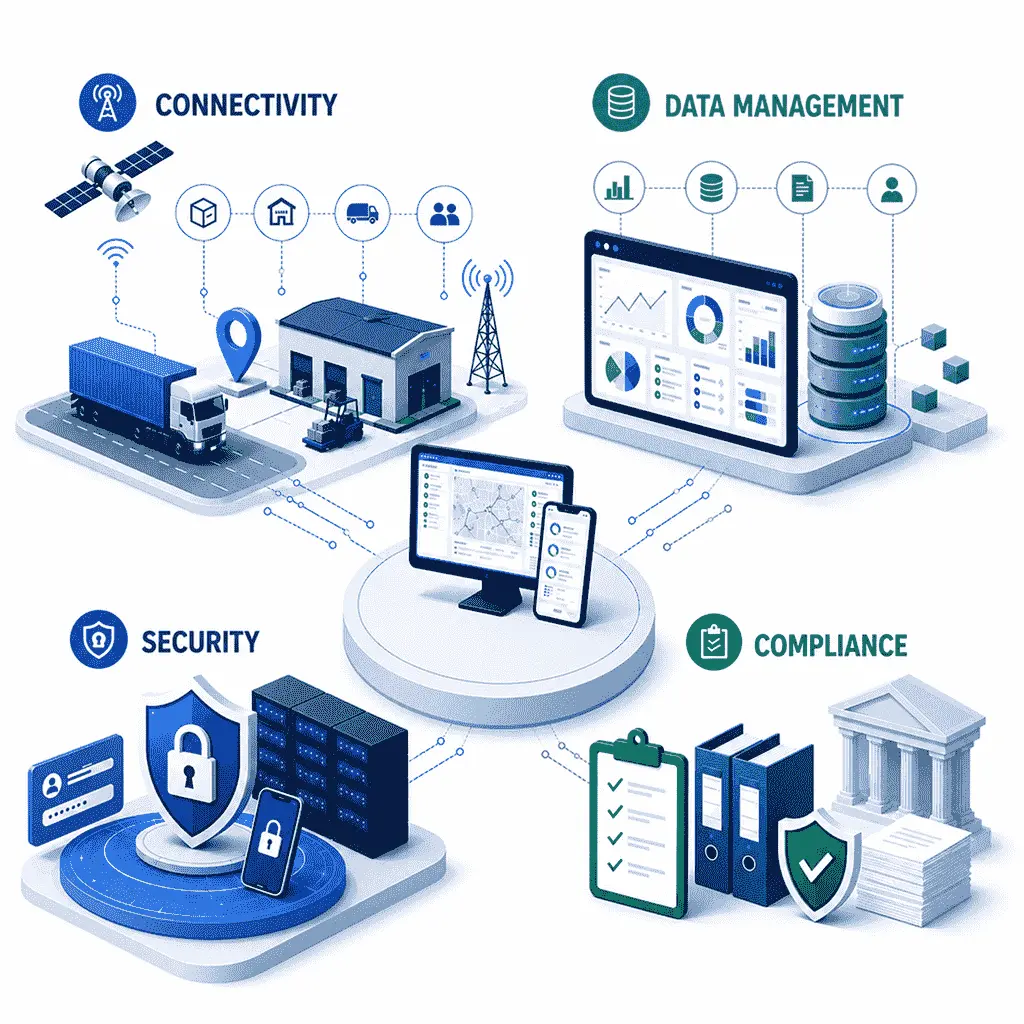
Connectivity
Keep Every System, Vehicle, and Partner Connected
Transportation operations rely on uninterrupted communication between vehicles, warehouses, customers, carriers, and enterprise applications. We design connected platforms that continue exchanging reliable information even as transaction volumes, users, and integrations increase.
- Build API-first architectures that connect ERP, WMS, TMS, CRM, telematics, ELDs, IoT devices, carrier platforms, and third-party logistics providers.
- Enable real-time synchronization of shipments, inventory, dispatch events, delivery status, and operational updates across distributed systems.
- Design resilient integration layers with event-driven processing, message queues, and failover strategies to minimize operational disruptions.
- Support cloud, hybrid, and on-premises environments without compromising performance or system interoperability.
Data Management
Turn Operational Data into Trusted Business Intelligence
Transportation businesses generate information from every shipment, vehicle, warehouse, customer, and business transaction. We design data architectures that transform this information into accurate, actionable insights for daily operations and strategic planning.
- Consolidate transportation, warehouse, fleet, finance, and customer data into a consistent operational view.
- Maintain data quality through validation, synchronization, governance, and controlled master data management.
- Deliver dashboards, analytics, and KPI reporting that support planning, forecasting, and operational decision-making.
- Build scalable data models that accommodate growing transaction volumes without sacrificing reporting performance.
Security
Protect Business-Critical Logistics Operations
Modern logistics platforms exchange sensitive operational, financial, and customer information across multiple connected systems. Security is embedded throughout the software lifecycle to reduce business risk while protecting applications, infrastructure, and operational data.
- Apply secure authentication, role-based access control, encryption, and continuous monitoring across users and connected systems.
- Protect APIs, cloud infrastructure, mobile applications, and enterprise integrations against evolving security threats.
- Incorporate secure development practices, vulnerability assessments, and regular security testing throughout implementation.
- Design resilient platforms with backup, disaster recovery, and business continuity strategies for mission-critical operations.
Compliance
Build Software That Supports Regulatory and Operational Requirements
Transportation and logistics organizations must satisfy industry regulations, customer obligations, and internal governance standards while maintaining operational efficiency. Compliance-ready software simplifies reporting, improves traceability, and reduces administrative effort.
- Support transportation and logistics requirements such as FMCSA, DOT, IATA, electronic documentation, and audit readiness where applicable.
- Maintain comprehensive audit trails, configurable approval workflows, and secure document management.
- Strengthen data governance through retention policies, controlled access, and operational transparency.
- Design adaptable compliance frameworks that evolve alongside changing regulations and business requirements.
Benefits of Partnering with iCommuneTech for Logistics Software Development
Flexible Engagement Models
Choose project-based delivery, dedicated teams, or staff augmentation based on your business goals, internal capabilities, and delivery timeline.
Transparent & Flexible Pricing
Select fixed-price, Time & Material, or dedicated team models with clear estimates, milestone-based planning, and complete cost visibility.
Transportation & Logistics Expertise
Work with engineers experienced in logistics and transportation software development, enterprise integrations, and industry-specific operational workflows.
Scalable Engineering Teams
Expand or optimize your development capacity on demand without the overhead of recruiting, onboarding, or managing additional in-house resources.
Reliable Delivery & Quality
Accelerate development through agile execution, secure engineering practices, continuous testing, and predictable project governance.
Long-Term Technology Partnership
Continue improving your platform after launch with ongoing enhancements, modernization, technical support, and performance optimization as your business grows.
Start Your Logistics Software Journey with Confidence
Share your requirements with our engineering team and receive practical recommendations, an estimated implementation approach, and the engagement model that best fits your business.